
For product and engineering teams
Application security consulting.
Application security consulting from the researchers who build our cyber evaluations. Assess your applications, review architecture and source code, and integrate security into your software development lifecycle.
Engagement scope
Secure the software you ship.
We agree on the scope, deliverables, timeline, and acceptance criteria before work begins.
- Threat modeling, architecture and code review, and testing of authentication, authorization, tenant isolation, and business logic.
- Integrate code, dependency, and secret scanning into CI/CD, with triage workflows that give engineers clear priorities.
- Define security requirements, ownership, review practices, and remediation tracking for a repeatable program.
What you get
An application security assessment, prioritized technical findings, a secure development roadmap, and reusable threat modeling and code review guidance.
An example engagement
From a security backlog to a working program.
A growing team has scan results, changing APIs, and no consistent path from finding to fix. Start with the highest-risk product flows, assign ownership, and build a review and remediation process into the delivery pipeline.
How we work
From scope
to handoff.
- 01
Map the product
Identify sensitive data, trust boundaries, critical workflows, and the teams responsible for them.
- 02
Review and prioritize
Validate issues in architecture, code, and application behavior. Prioritize work by exposure and business impact.
- 03
Build the practice
Implement checks, review templates, triage rules, and regression tests that engineering can maintain.
Guides for your team
All guides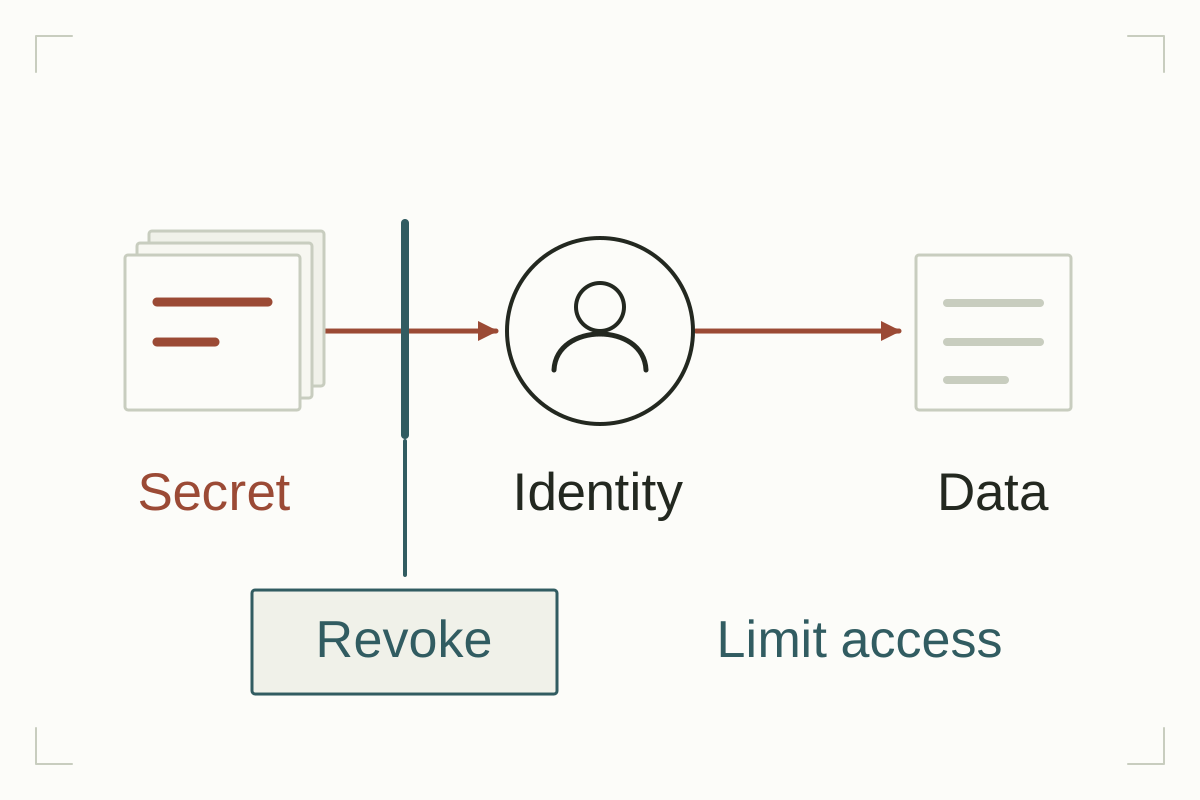
AI agents are hunting leaked secrets: what SaaS teams should fix first
A recent Microsoft report connects exposed repository credentials to cloud access. Review the identity behind each secret, its permissions, and your revocation process.
Read the guide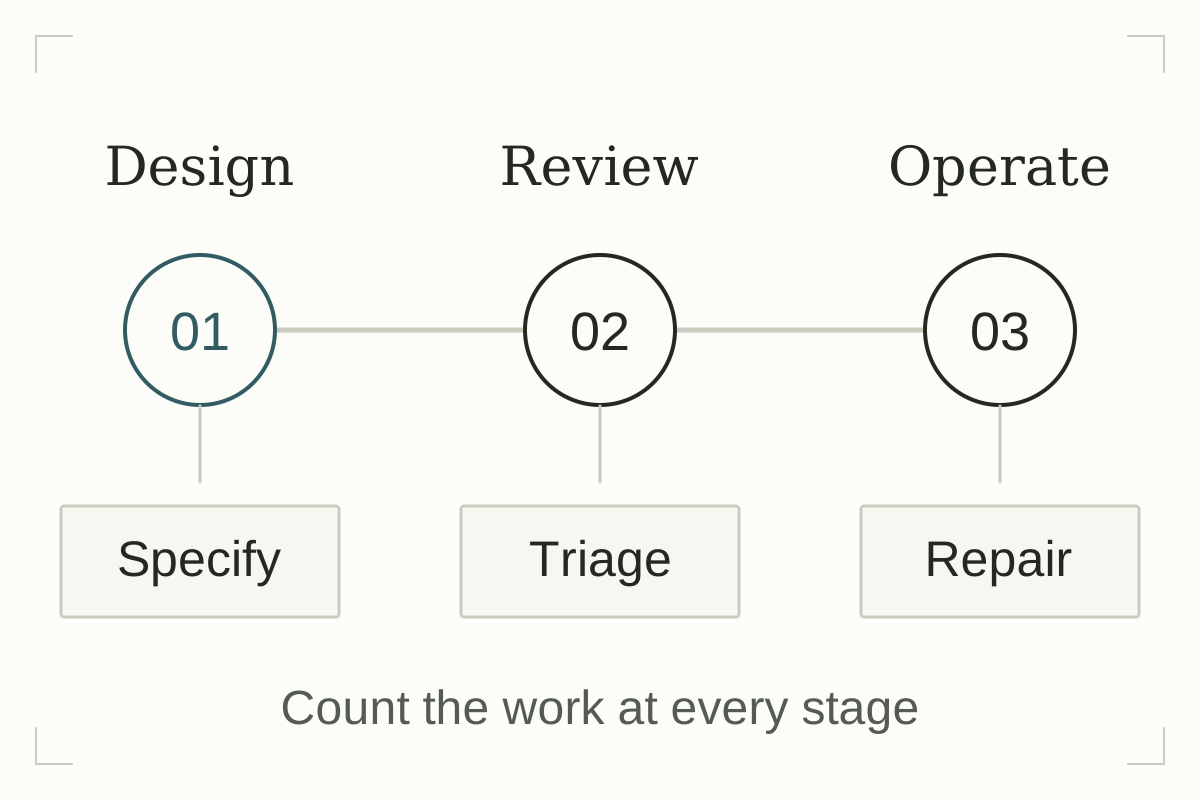
The cost of shift-left security: tooling, triage, and developer time
Budget for the work a security check creates, including triage, remediation, and upkeep. Use an explicit cost model before claiming that moving a check earlier saves money.
Read the guide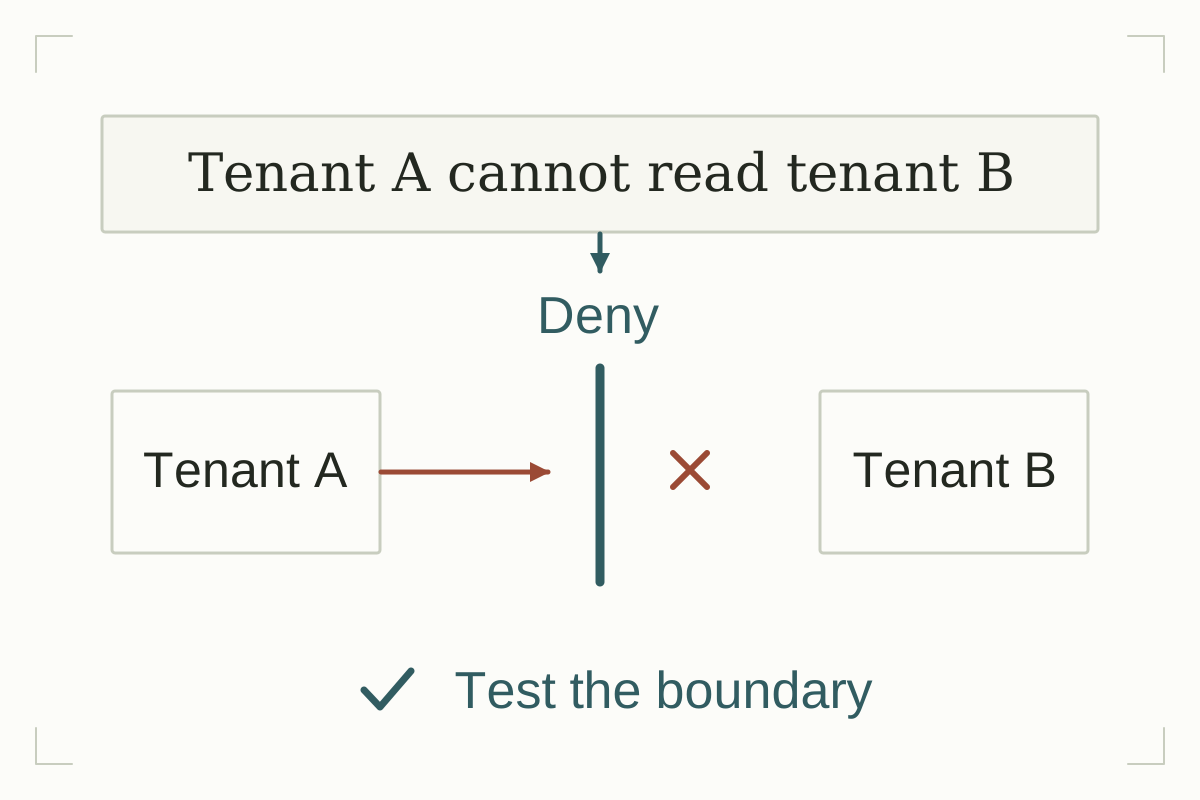
Security requirements for spec-driven development
Turn security requirements into enforceable behavior and negative tests before an AI coding agent starts implementation. A tenant-isolation example shows the full chain.
Read the guide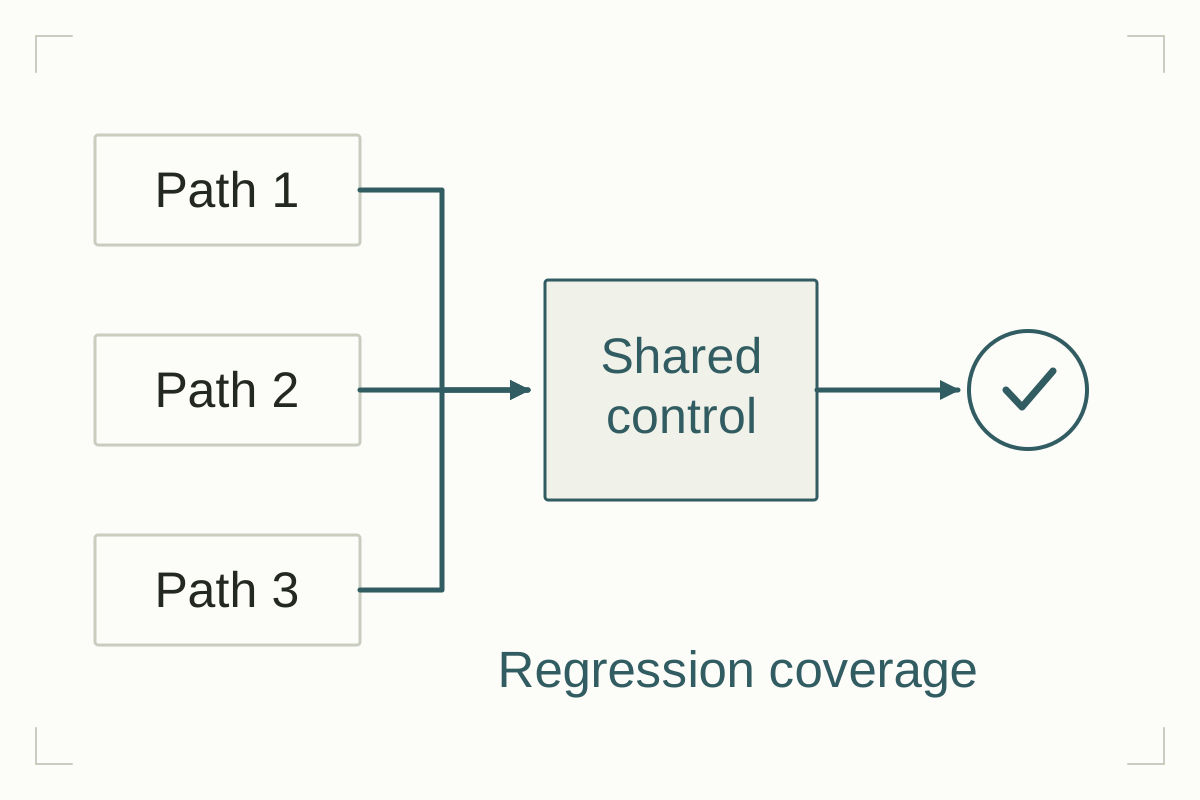
How to reduce recurring vulnerabilities in a SaaS codebase
Use repeated findings to identify shared design problems. Move from isolated patches to maintained controls, regression coverage, and a measure of recurrence.
Read the guide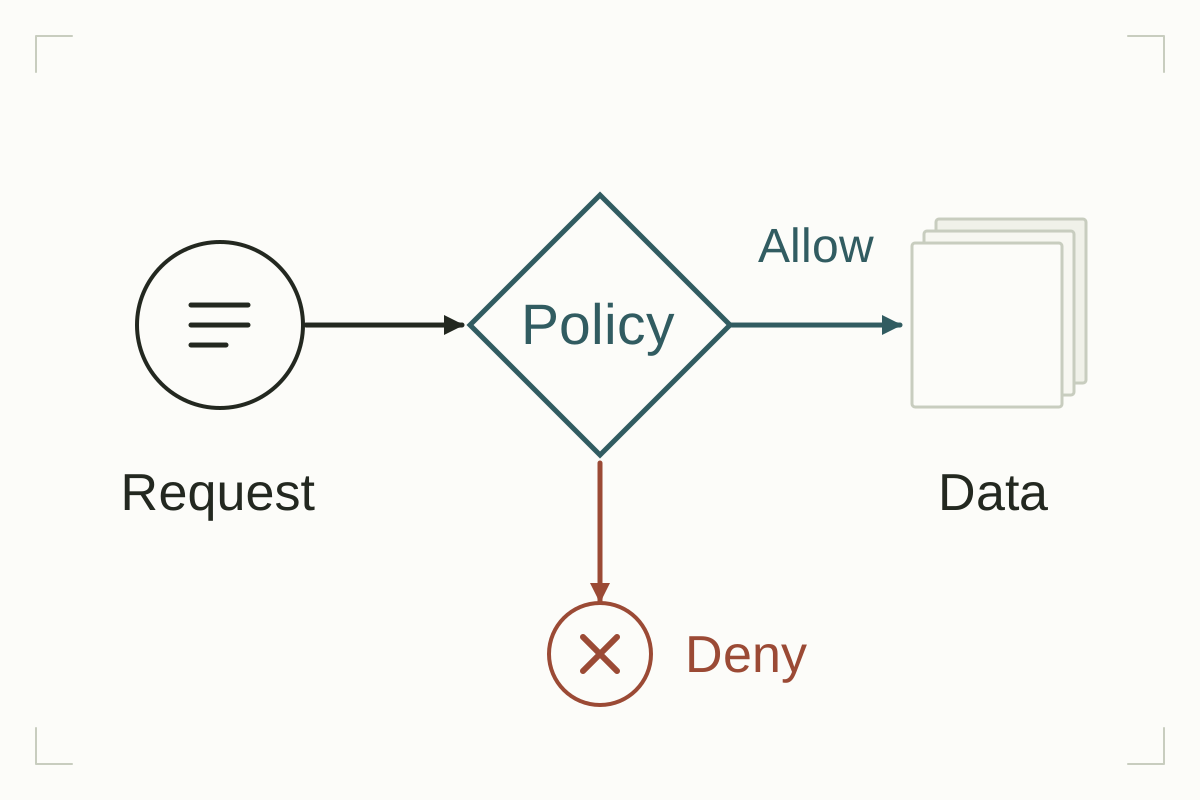
Security review for AI-generated code: what to check before shipping
A review sequence for authentication, authorization, data handling, dependencies, and deployment changes in code written with AI assistants.
Read the guide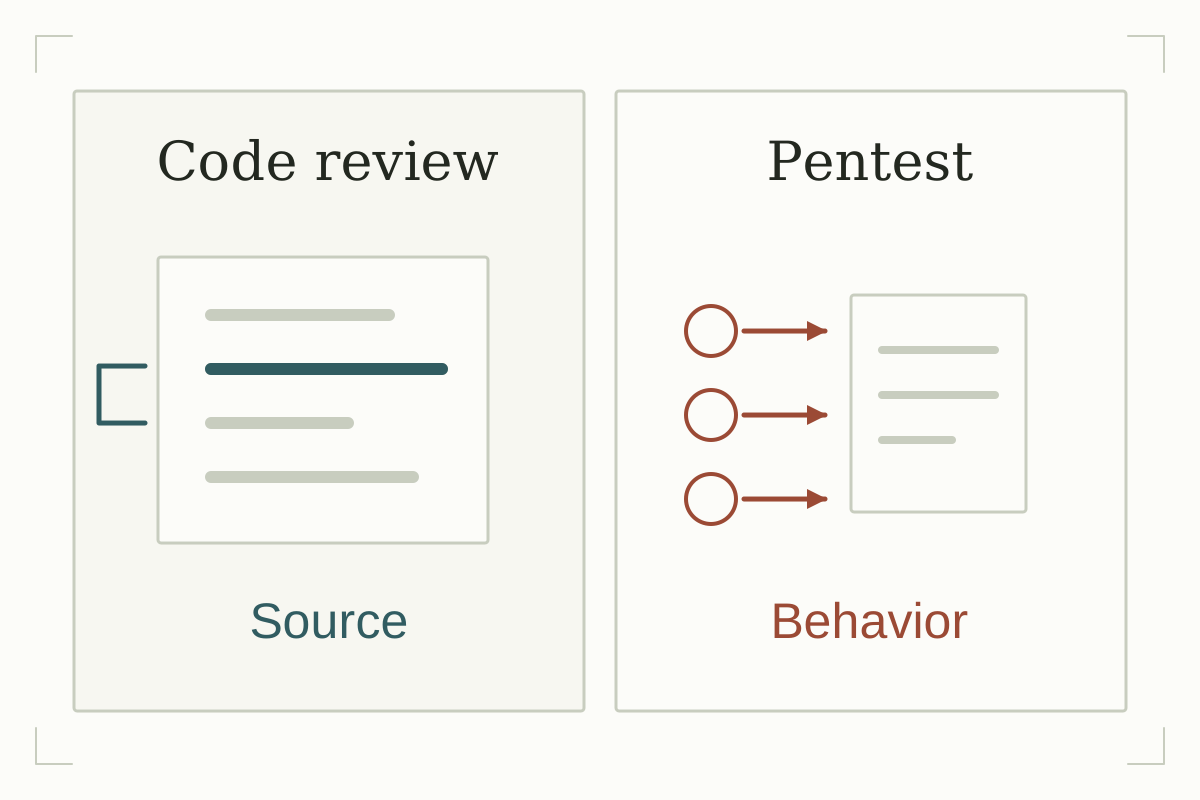
Secure code review vs. penetration testing: which do you need?
Choose an assessment based on the question you need answered, the access you can provide, and the evidence your team needs to act.
Read the guide